The Ultimate Guide to Choosing the Best Oil Sprayer for Your Kitchenhttps://i5.walmartimages.com/seo/JEEXI-Oil-Sprayer-Cooking-Advanced-Olive-Oil-Spray-Bottle-Mister-Kitchen-Gadgets-Accessories-Air-Fryer-Salad-BBQ-Kitchen-Baking-Roasting_09703886-3462-4f91-9dda-948eec54a057.76bfade4f0299aa7756352e3a996e25c.png?odnHeight=580&odnWidth=580&odnBg=FFFFFF
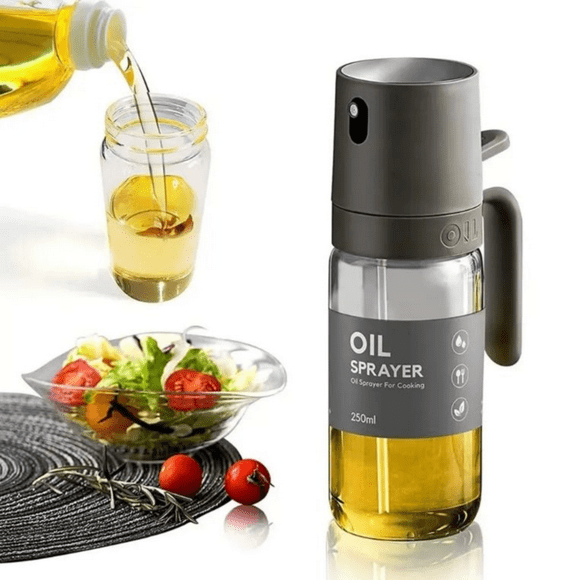
When it comes to cooking, precision and control are key. Whether you’re drizzling oil over a fresh salad, greasing a hot pan, or adding a touch of flavor to roasted vegetables, the right kitchen tool makes all the difference. One such indispensable tool is the oil sprayer. This handy gadget not only helps you control the amount of oil you use but also ensures even coverage without excess calories or waste.
In this comprehensive guide, we’ll explore everything you need to know about oil sprayers—why they’re essential, how to choose the best one, their benefits, and tips for using them effectively. If you want to elevate your cooking and promote healthier habits, keep reading!
What is an Oil Sprayer?
An oil sprayer is a small container designed to spray oil in a fine mist, rather than pouring it in large amounts. Unlike traditional oil bottles, an oil sprayer allows you to evenly coat surfaces with minimal oil usage. This controlled application is perfect for low-fat cooking, baking, and even salad dressings.
Typically, oil sprayers are refillable and come with a spray nozzle that disperses oil evenly. Some models use manual pumps to build pressure, while others rely on aerosol mechanisms (usually refillable and non-chemical) to spray the oil.
Why Should You Use an Oil Sprayer?
The benefits of an oil sprayer extend beyond just convenience. Here are some compelling reasons why every kitchen should have one:
1. Healthier Cooking
Using an oil sprayer reduces the amount of oil you consume. Instead of pouring tablespoons of oil, you spray a fine mist, cutting down calories significantly. This makes oil sprayers ideal for anyone looking to maintain or lose weight without sacrificing flavor.
2. Even Coating
When cooking, uneven oil distribution can cause food to stick or cook inconsistently. An oil sprayer ensures that your pans, baking sheets, and food items get a thin, uniform layer of oil, enhancing taste and texture.
3. Economical Use of Oil
Oil sprayers help you stretch your oil supply. A few sprays can replace a spoonful or more, meaning your expensive olive or avocado oil lasts longer.
4. Versatility
You can use an oil sprayer not only for oils but also for vinegar, lemon juice, or even water. This versatility makes it a multi-purpose kitchen tool.
Types of Oil Sprayers
Understanding the different types of oil sprayers will help you select the right one for your kitchen needs:
1. Manual Pump Oil Sprayer
Manual pump sprayers use a pump mechanism to create pressure inside the bottle. When you press the nozzle, oil is sprayed out as a fine mist. These sprayers are usually made of glass or BPA-free plastic and are easy to refill.
2. Aerosol or Propellant-Based Sprayers
These sprayers use a propellant to push the oil out, similar to traditional aerosol cans. However, modern versions are often refillable and free from harmful chemicals, making them a safer choice.
3. Electric or Battery-Operated Sprayers
A more recent innovation, electric oil sprayers use a small motor to spray oil with consistent pressure. These are convenient but tend to be more expensive and require battery replacements.
How to Choose the Best Oil Sprayer?
Choosing the perfect oil sprayer involves considering several factors:
1. Material Quality
Look for sprayers made from durable materials like glass or high-quality BPA-free plastic. Glass is elegant and easy to clean but can be fragile, while plastic is lightweight and more durable.
2. Spray Pattern
A good oil sprayer should produce a fine, even mist. Avoid sprayers that produce large droplets, which can result in oily spots rather than a thin coating.
3. Capacity
Consider how much oil you want to store in the sprayer. Larger capacities reduce the need for frequent refills but may be bulkier.
4. Ease of Cleaning
Oil sprayers should be easy to disassemble and clean to prevent clogging. Dishwasher-safe parts are a bonus.
5. Price
Prices vary widely, from budget options to premium models. Consider your budget but don’t compromise on quality, as a good sprayer lasts longer and performs better.
Benefits of Using an Oil Sprayer in Everyday Cooking
Using an oil sprayer can transform your cooking experience. Let’s dive into some specific benefits:
1. Better Control Over Oil Usage
With an oil sprayer, you spray exactly how much oil you want. This prevents over-oiling and promotes healthier eating habits.
2. Enhanced Flavor
Spraying oil lightly allows herbs and spices to stick better, enhancing the overall flavor profile of your dishes.
3. Reduces Mess
Pouring oil can sometimes lead to spills and messes on the counter or stovetop. An oil sprayer minimizes this risk with controlled dispensing.
4. Improves Cooking Techniques
Sprayers allow for techniques like misting vegetables before roasting or lightly coating pans for sautéing, which improves the texture and doneness of food.
How to Use an Oil Sprayer Effectively?
To maximize the benefits of your oil sprayer, follow these tips:
-
Use the Right Oil: Lighter oils like olive oil, avocado oil, or vegetable oil work best. Avoid thick oils like coconut oil which may clog the sprayer.
-
Fill Correctly: Don’t overfill; leave some space for air to help spray the oil evenly.
-
Clean Regularly: Rinse the nozzle and bottle after each use to avoid buildup.
-
Pump Before Use: For manual sprayers, pump a few times to build pressure for a fine mist.
-
Spray from an Optimal Distance: Hold the sprayer about 6 to 8 inches from the food or pan for best coverage.
Maintenance Tips for Your Oil Sprayer
Proper maintenance ensures your oil sprayer lasts longer and works efficiently:
-
Disassemble and Clean: Take apart the sprayer components and wash them in warm, soapy water weekly.
-
Avoid Thick or Flavored Oils: These can clog the nozzle.
-
Store Properly: Keep the sprayer in a cool, dry place away from direct sunlight.
-
Replace Parts as Needed: If the nozzle clogs or the pump weakens, replace or clean the parts promptly.
Popular Brands and Models of Oil Sprayers https://i5.walmartimages.com/seo/JEEXI-Oil-Sprayer-Cooking-Advanced-Olive-Oil-Spray-Bottle-Mister-Kitchen-Gadgets-Accessories-Air-Fryer-Salad-BBQ-Kitchen-Baking-Roasting_09703886-3462-4f91-9dda-948eec54a057.76bfade4f0299aa7756352e3a996e25c.png?odnHeight=580&odnWidth=580&odnBg=FFFFFF
While there are many options available, a few brands consistently receive high ratings for quality and performance:
-
Misto: Known for its elegant glass bottle and easy-to-use pump mechanism.
-
Chef’s Planet: Offers a durable, BPA-free plastic sprayer with a fine mist.
-
Cuisipro: Provides a versatile and easy-to-clean sprayer suitable for various oils.
-
Oil & Vinegar Sprayer Combo Sets: Some brands offer dual sprayers perfect for dressing salads.
Common Mistakes to Avoid with Oil Sprayers
To get the most out of your oil sprayer, avoid these pitfalls:
-
Using Thick or Cold Oils: They clog the nozzle and cause uneven spraying.
-
Not Cleaning Regularly: Oil residue buildup can damage the sprayer.
-
Overfilling the Bottle: This reduces the air pressure needed for proper spraying.
-
Spraying Too Close: Causes pooling of oil rather than a fine mist.
Eco-Friendly Benefits of Using Oil Sprayers
Besides health and convenience, oil sprayers contribute to environmental sustainability:
-
Reduce Oil Waste: Controlled spraying cuts down on excess oil usage.
-
Reusable Containers: Many sprayers are refillable, cutting down on single-use plastic.
-
Less Packaging Waste: Buying oil in bulk and refilling sprayers minimizes packaging waste.